
Choosing between fiber cement and vinyl siding is one of the bigger exterior decisions an Austin-area homeowner makes. Both materials are common here, both can look good, and both can fail early if they are a poor match for the site. Central Texas adds its own test: months of heat and UV, spring hail, and wind-driven rain.
This guide compares fiber cement vs vinyl siding on the things that matter locally, so you can decide before you collect quotes.
How the two materials differ
Fiber cement is a mix of cement, sand and cellulose fibers pressed into planks, panels or shingles. It is heavy, rigid and usually painted or factory-finished.
Vinyl siding is extruded PVC. It is light, comes in preset colors and is installed in interlocking panels.
Because of that difference in weight and rigidity, the two behave differently in our climate.
Heat and UV
Central Texas summers are hard on exterior surfaces. Vinyl expands and contracts with temperature swings, so installers must leave room for movement. Panels that are nailed too tight can buckle. Dark colors absorb more heat and are more likely to warp, which is why many vinyl manufacturers limit or discourage very dark shades.
Fiber cement is dimensionally stable and does not soften in heat. Its paint or finish will still weather in strong sun, so repainting is part of ownership. Our guide to how often to repaint a home’s exterior in Central Texas explains the typical timeline and what shortens it.
Hail and storm damage
Spring hail is a real consideration for anyone in Travis or Williamson County. Fiber cement is dense and generally holds up better to impact. Vinyl can crack or puncture, particularly in cold snaps or when it is old and brittle, and damaged panels often cannot be patched invisibly. Whichever material you choose, ask your insurer how hail claims on siding are handled before you buy.
Moisture, rot and pests
Neither material rots on its own, but both depend on what is behind them. Proper flashing, a water-resistive barrier and sealed penetrations do more to protect your walls than the cladding does. Fiber cement edges and cut ends need to be sealed and kept off the ground. Vinyl is not waterproof as a system: water can get behind the laps, so it relies on the barrier and flashing underneath.
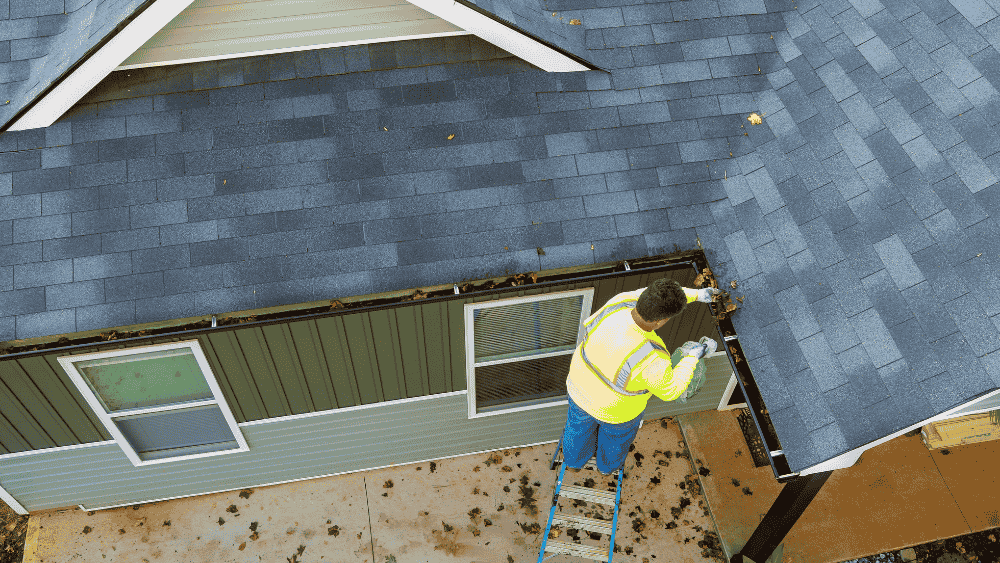
If you are replacing siding because of wood rot or water intrusion, fix the cause first. Often that means gutters and downspouts that dump water against the wall. See our seamless gutter installation service, and read how rain gutters protect your home from water damage.
Upkeep and lifespan
- Vinyl: low maintenance. It needs washing, and color cannot be changed without replacing or special coatings. Faded or warped panels are replaced rather than repaired.
- Fiber cement: needs periodic repainting and caulk maintenance at joints and trim. In return, you can change the color later, and a well-installed system typically lasts for decades.
Cost factors
We do not quote prices without seeing the house, but these are the items that move the number most:
- Total wall area and how many stories the house has
- Material grade and profile (lap, board-and-batten, shingle)
- Removing existing siding and repairing any damaged sheathing
- Trim, windows, doors and corner details
- Painting or factory finish
- Permits where your city requires them
As a rule, fiber cement costs more up front and takes more labor to install because the boards are heavy and must be cut with proper dust control. Vinyl costs less up front. The better comparison is cost over the time you will own the home, including repainting and replacement.
Which should you choose?
Fiber cement tends to suit homeowners who want a premium look, expect hail, or plan to stay long term. Vinyl tends to suit those on a tighter budget who want low upkeep and accept a limited color and texture range. If you are unsure, ask for samples and photos of local jobs after a few summers, not just fresh installs.
Questions to ask any siding contractor
Before you sign, use the checklist in 10 questions to ask before hiring a general contractor in Austin. For siding specifically, ask who handles flashing and the water barrier, how damaged sheathing is priced, and who pulls permits. Permit rules differ by city; our Round Rock permit process guide shows what a typical submittal involves.
FAQ
Is fiber cement better than vinyl in Texas?
For hail resistance and heat stability, fiber cement usually performs better. Vinyl wins on upfront cost and low maintenance. The right choice depends on budget and how long you will own the home.
Does fiber cement siding need to be painted?
Most does, either on site or from a factory finish. Plan for repainting over time.
Can I replace siding on one wall only?
Often yes, but matching existing color and profile can be difficult, especially with older vinyl that has faded.
Get a siding estimate
A & A 1st Choice, LLC replaces and repairs siding across Austin, Round Rock, Georgetown and nearby cities as part of our residential construction services. Call (512) 767-2935 for a free walkthrough and written scope.