
Maintaining a professional and well-kept commercial space is important for businesses in Austin. Over time, walls and ceilings can suffer from daily wear and tear. Heavy foot traffic, equipment movement, and moisture can also cause damage.
When damage appears, a commercial drywall repair project may be necessary. Proper preparation can reduce downtime, control costs, and make the repair process easier.
Whether you operate an office, retail store, medical facility, or industrial space, preparing your property in advance can help protect your investment and keep your business running smoothly.
Why Commercial Drywall Repair Is Important for Austin Businesses
Commercial walls are exposed to constant use. They can develop dents, cracks, holes, and water damage over time. Ignoring these problems can lead to more serious damage and higher repair costs.
Professional commercial drywall repair can improve:
- Workplace appearance
- Structural condition
- Safety and compliance
- Employee morale
- Client perception
In a competitive market like Austin, a clean and well-maintained interior can also help create a professional impression.
Common Causes of Commercial Drywall Damage
Before preparing for repairs, it helps to understand what causes drywall damage. Common problems include:
- Impact from carts, equipment, or furniture
- Water leaks and moisture
- Foundation settling or building movement
- Improper installation
- Aging materials
- High-traffic wear and tear
Another common problem is drywall corner bead repair. Corners in hallways, entrances, and other busy areas can easily become chipped or cracked.
Damaged corner beads can make walls look worn. They can also leave drywall edges exposed to further damage.
Step 1: Assess the Extent of the Damage
Start by checking the affected areas. Small dents and holes may only need simple patching. Larger cracks or water damage may require more extensive repairs.
Walk through the property and look for:
- Visible cracks and holes
- Bulging or sagging drywall
- Water stains
- Peeling paint
- Damaged corner beads
Take photos of the damaged areas. This information can help contractors assess the project and provide a more accurate estimate.
Step 2: Schedule Repairs Strategically
Commercial repairs can affect normal business operations. Scheduling the work at the right time can reduce disruption.
Consider scheduling repairs during:
- Off-hours
- Weekends
- Holidays
- Low-traffic periods
Some Austin businesses also plan repair work during slower seasons. This allows contractors to complete the work with less impact on daily operations.
Step 3: Communicate With Employees and Tenants
Clear communication can make the repair process easier. Let employees and tenants know about the upcoming work.
Share information about:
- Project timelines
- Work areas
- Temporary restrictions
- Expected noise
- Safety requirements
Good communication helps reduce confusion. It also helps everyone prepare for temporary changes to their normal routines.
Step 4: Protect Furniture and Equipment
Drywall work can create dust and debris. Even professional repairs can affect nearby furniture and equipment.
Before work begins:
- Cover furniture and electronics
- Move sensitive equipment away from the work area
- Seal off areas where possible
- Secure confidential documents
These steps help protect business assets and reduce cleanup after the project.
Step 5: Address Underlying Issues
Repairing damaged drywall without addressing the cause may lead to the same problem again.
Before repairs begin, check for issues such as:
- Water leaks
- Structural movement
- Moisture problems
- Repeated impact in high-traffic areas
For example, water leaks should be fixed before moisture-damaged drywall is repaired. Recurring cracks may also require further inspection.
Professional teams providing Drywall Repair in Austin can help identify potential causes and recommend the right repair approach.
The Importance of Professional Commercial Drywall Repair
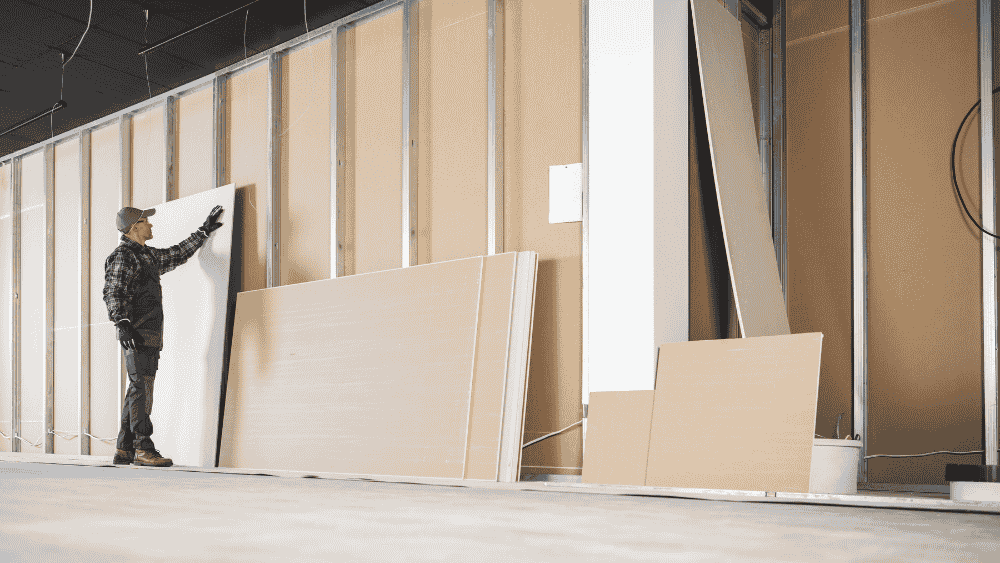
Minor wall damage may look easy to repair. Commercial drywall work often requires more precision than a basic patch.
Poor repairs can leave visible seams, uneven surfaces, and recurring damage.
Professional contractors can provide:
- Smooth and seamless patching
- Proper blending with existing surfaces
- Accurate corner bead repairs
- Code-compliant work
- Long-lasting results
Experienced contractors also understand the needs of commercial properties. They can plan the work around your operations.
Drywall Corner Bead Repair in Commercial Settings
Corner bead damage is common in busy commercial buildings. Hallways, entrances, loading areas, and other high-traffic spaces are especially vulnerable.
Proper drywall corner bead repair may involve removing the damaged section. A new corner bead is then installed and finished to match the surrounding wall.
When completed correctly, the repaired corner is stronger and better protected against future impact. It also gives the wall a clean and finished appearance.
Minimizing Business Downtime
Time is important during commercial repairs. Long repair periods can interfere with employees, customers, and daily operations.
Professional contractors can reduce delays through:
- Detailed project planning
- Material preparation
- Coordinated labor scheduling
- Efficient repair methods
- Proper sanding and finishing
Working with an experienced Commercial Construction Company can also help integrate drywall repairs into your broader property maintenance plan.
Improving Appearance After Repairs
Once the drywall repairs are complete, the affected areas may need painting or finishing. Matching the existing texture and paint color is important for a consistent appearance.
Post-repair improvements may include:
- Repainting entire walls when necessary
- Matching existing wall textures
- Adding protective corner guards
- Improving lighting
- Updating worn finishes
A clean and refreshed interior can create a better experience for both clients and employees.
Long-Term Maintenance Tips
Proper maintenance can help prevent future drywall problems.
After completing your commercial drywall repair project:
- Install corner guards in high-traffic areas
- Inspect walls regularly
- Repair minor damage early
- Maintain proper climate control
- Check for moisture problems
- Schedule professional inspections when needed
Preventive maintenance can reduce the risk of larger repairs and unexpected costs.
Why Austin Businesses Trust Professional Contractors
Austin’s commercial market continues to grow. Businesses need durable and professional-looking interiors that can handle daily use.
Professional drywall contractors bring:
- Knowledge of local building requirements
- Experience with commercial properties
- Proper tools and materials
- Efficient project management
- Reliable scheduling
The combination of proper preparation and professional workmanship can help your repair project stay on track.
Final Thoughts
Preparing your Austin business for a commercial drywall repair project requires planning and communication. Start by assessing the damage and identifying any underlying problems.
Schedule the work at a convenient time. Protect your furniture and equipment. Keep employees and tenants informed throughout the process.
From repairing impact damage to completing precise drywall corner bead repair, professional services can restore both the appearance and condition of your commercial space.
A well-maintained property reflects the professionalism of your business. Working with experienced contractors can help you achieve durable results while keeping disruption to a minimum.