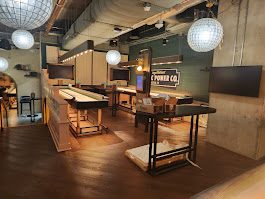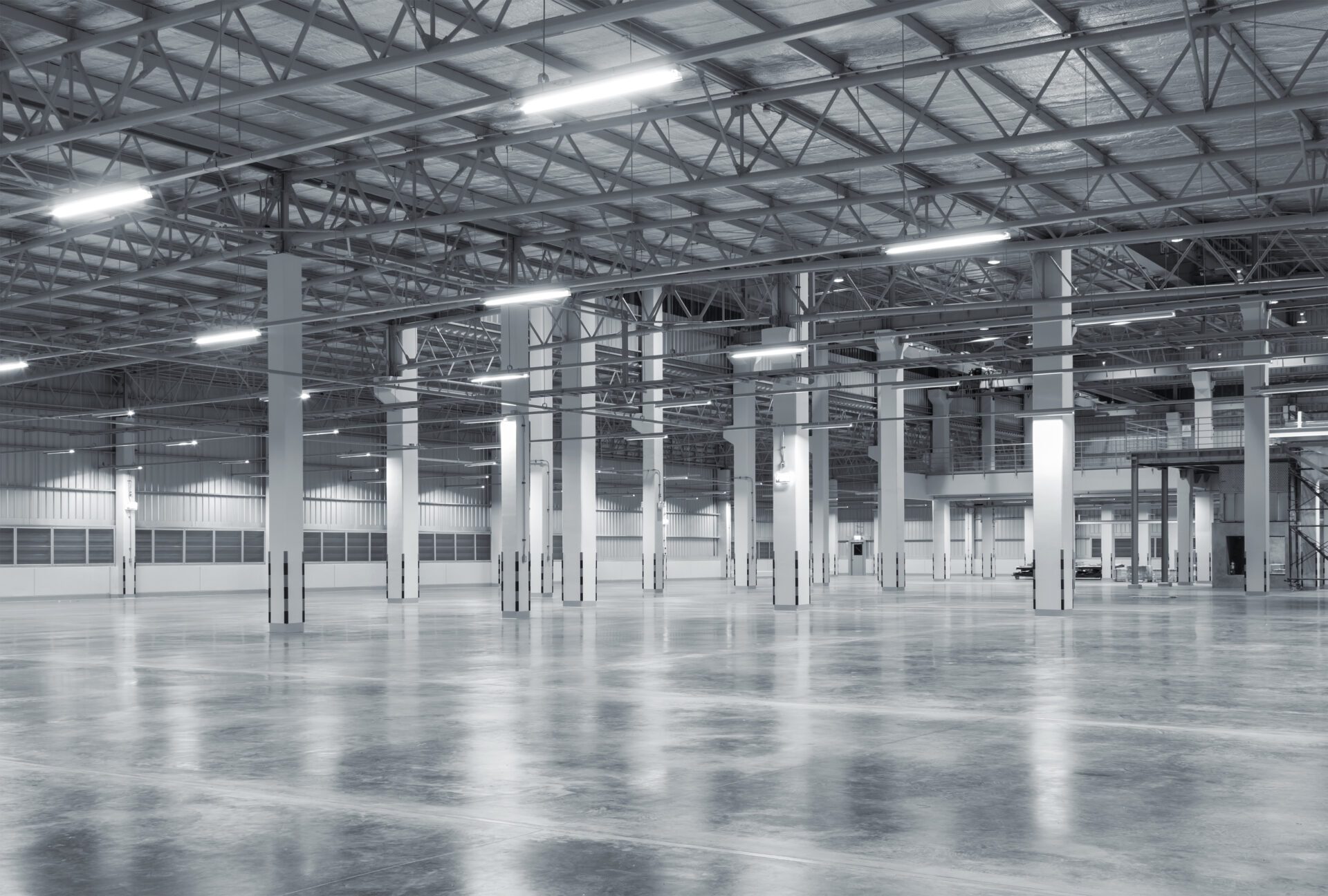
Vacant commercial spaces often have great potential. An empty office, retail shell, or unfinished commercial unit can become a productive workplace with the right planning and execution. This is where commercial tenant improvement plays an important role in modern commercial real estate and business growth.
Businesses today want more than generic layouts. They need workspaces that reflect their brand, support daily operations, and allow room for future growth. Commercial tenant improvement helps transform an empty structure into a functional and efficient business environment.
Understanding Commercial Tenant Improvement
Commercial tenant improvement involves modifying or customizing a commercial space to meet the specific needs of a business. Projects can range from basic interior updates to complete build-outs.
Unlike general renovations, tenant improvement projects are designed around the needs of the tenant. They focus on functionality, compliance, workflow, and long-term usability.
Whether a business is moving into a new property or upgrading an existing space, tenant improvement helps create an environment that works for employees, customers, and daily operations.
Why Tenant Improvement Matters for Businesses
A well-designed workspace can improve productivity, employee satisfaction, and customer experience. On the other hand, a poorly planned space can limit operations and make future growth more difficult.
Through commercial tenant improvement, businesses can:
- Create efficient layouts for daily operations
- Improve employee comfort and productivity
- Meet building codes and safety requirements
- Strengthen brand identity through custom design
- Make better use of available space
A well-planned tenant improvement project can turn an outdated or unused space into a productive business environment.
Tenant Build Out: From Shell to Workspace
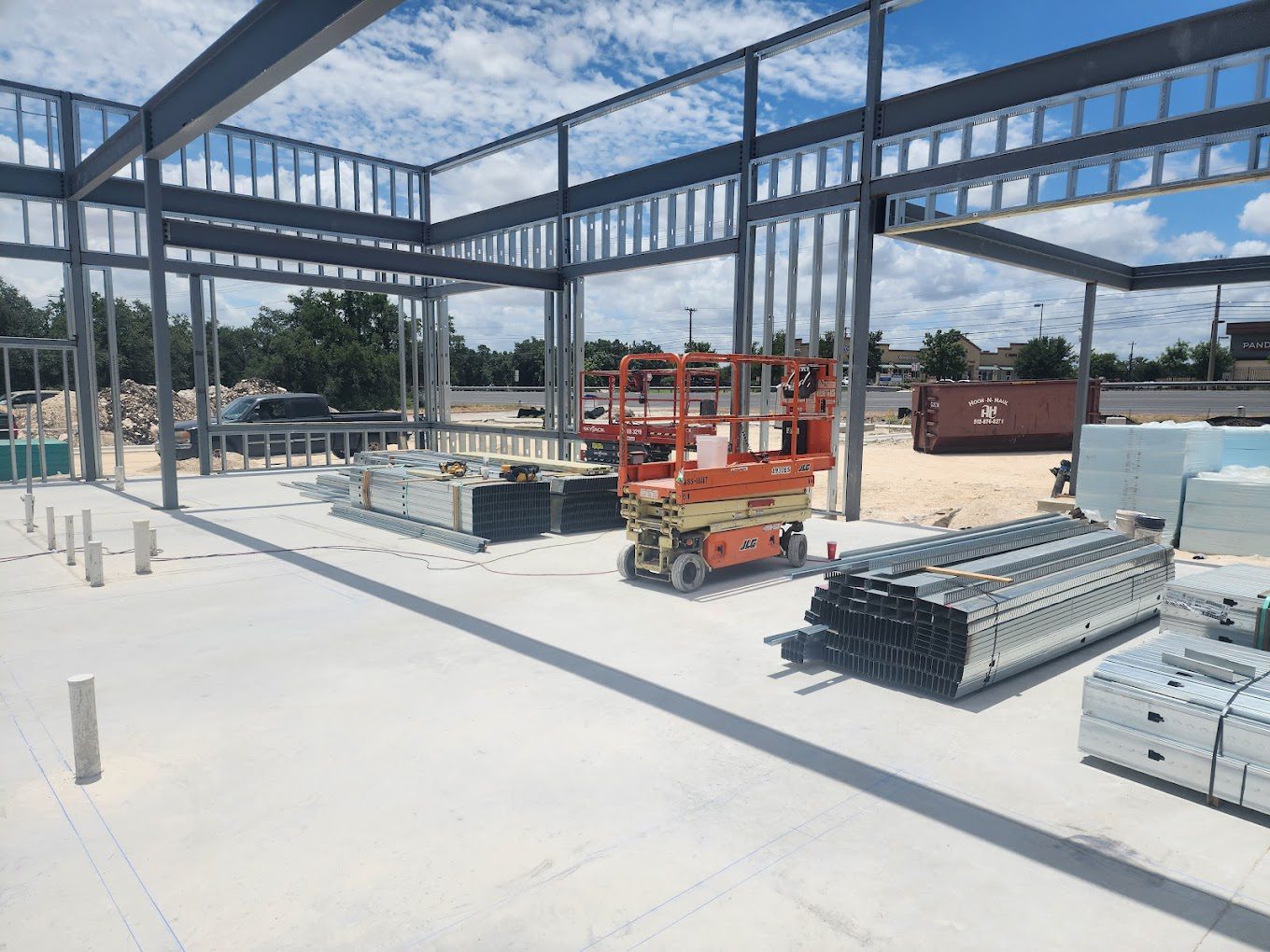
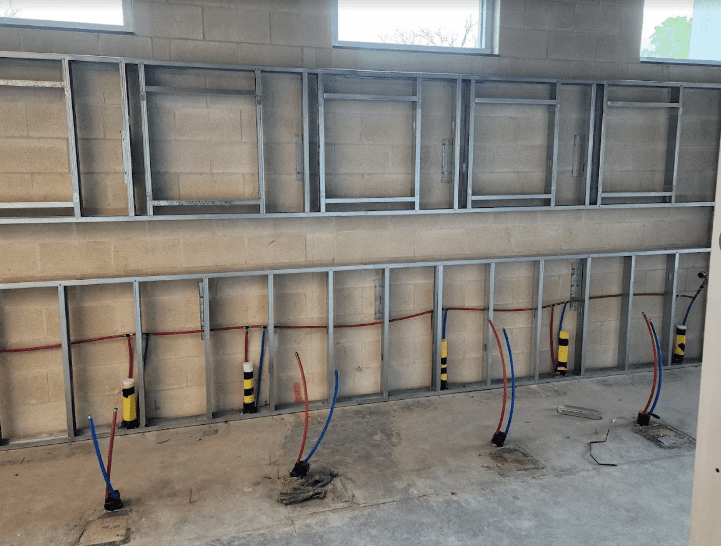
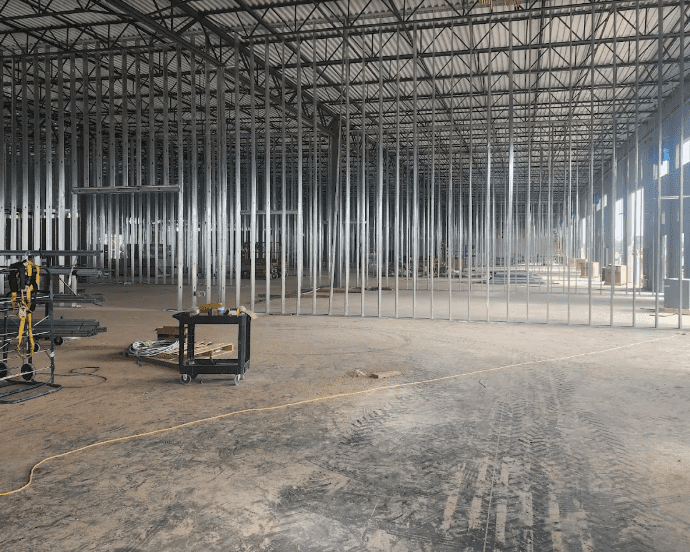
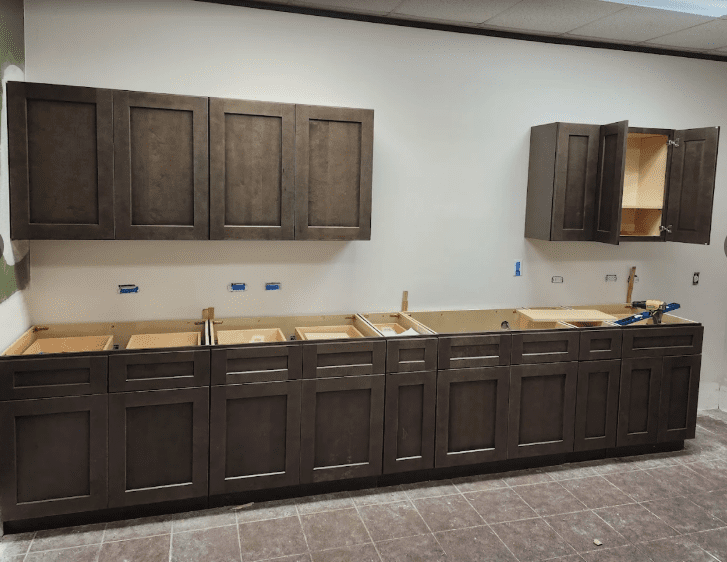
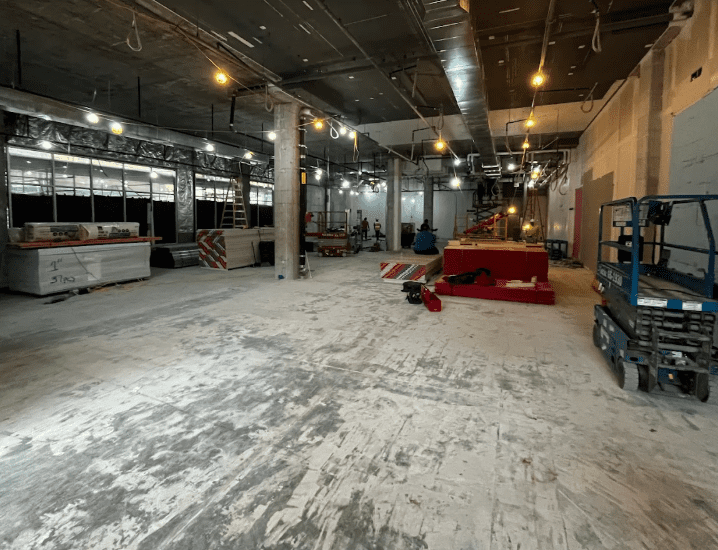
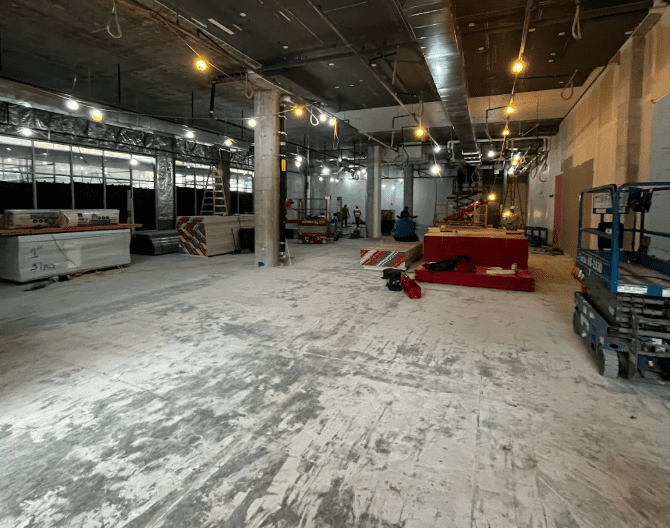
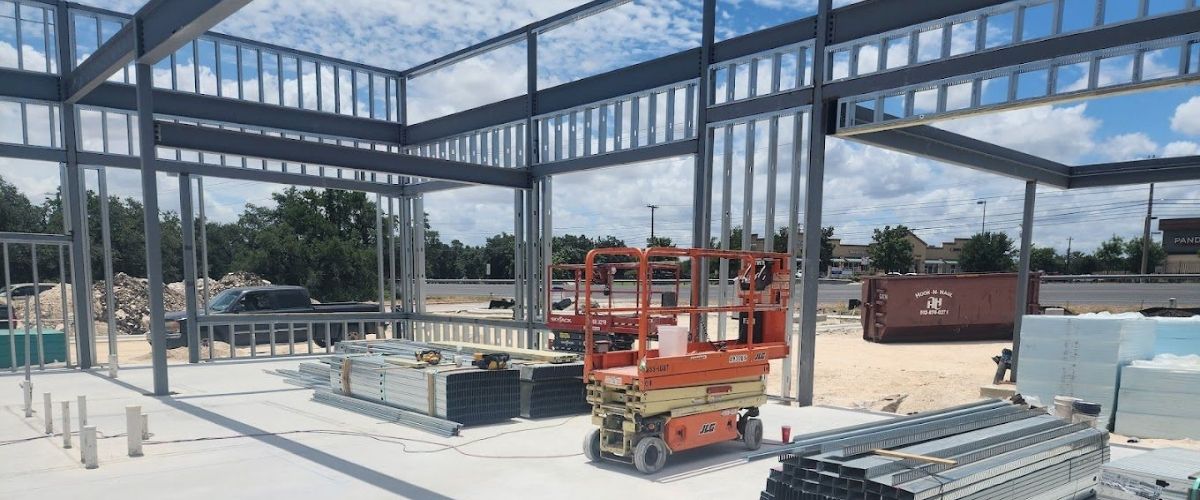
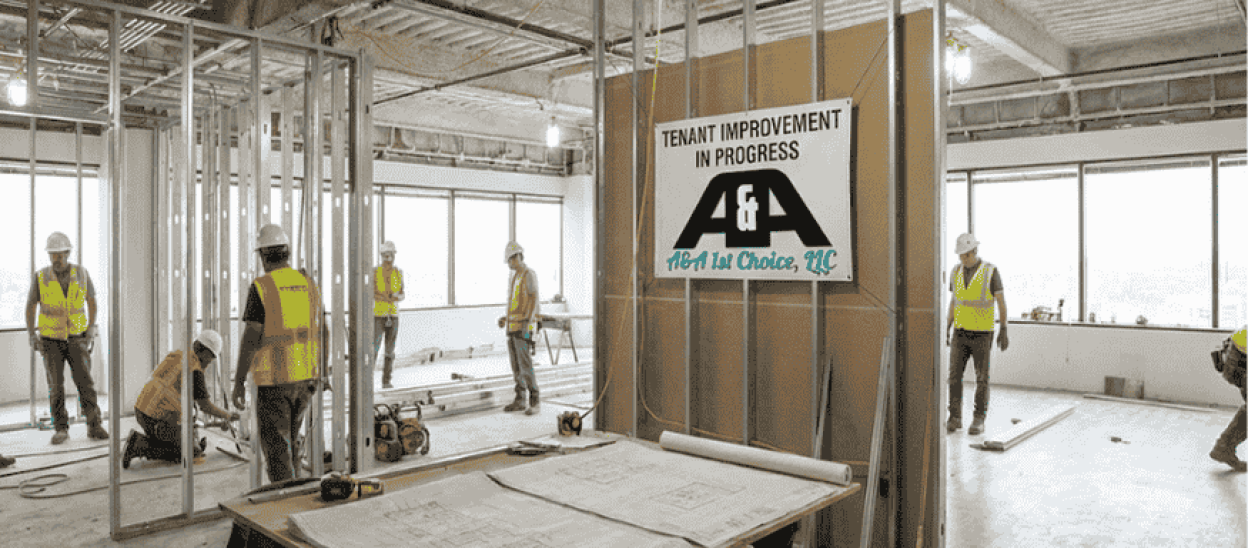
A tenant build out is often needed when a business moves into a commercial shell space. These spaces may have basic structural elements but lack the interior features needed for daily operations.
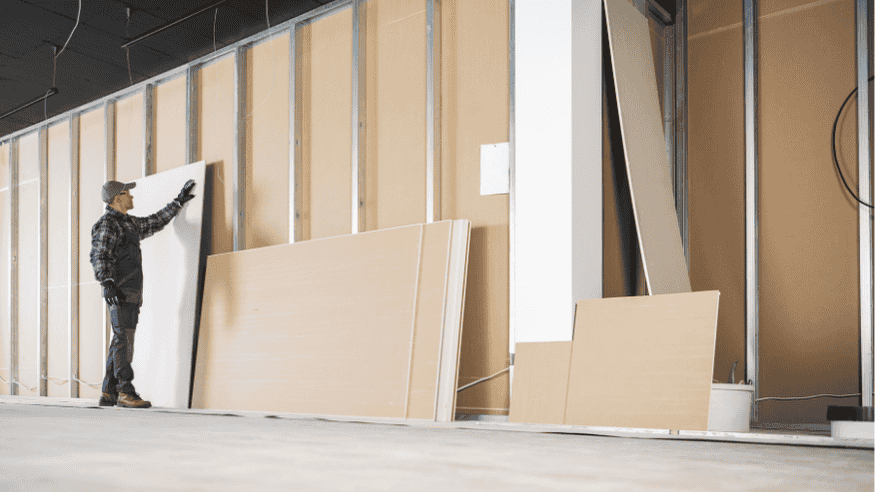
Tenant build out projects may include:
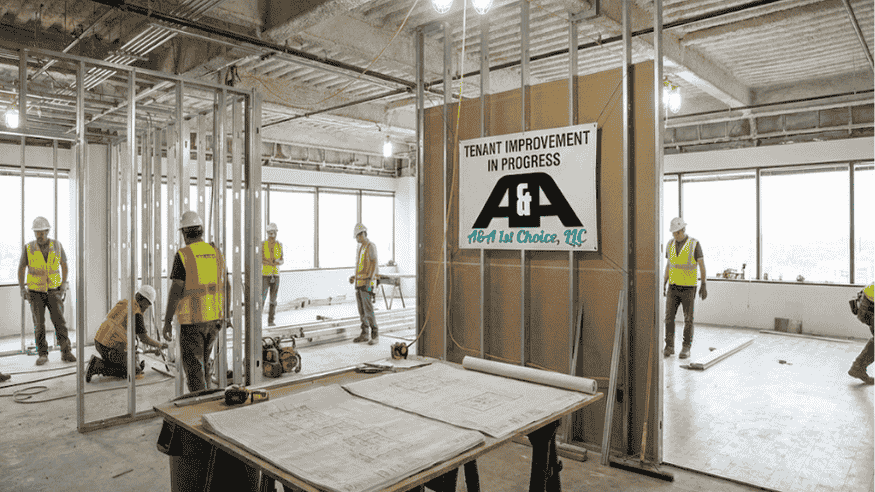
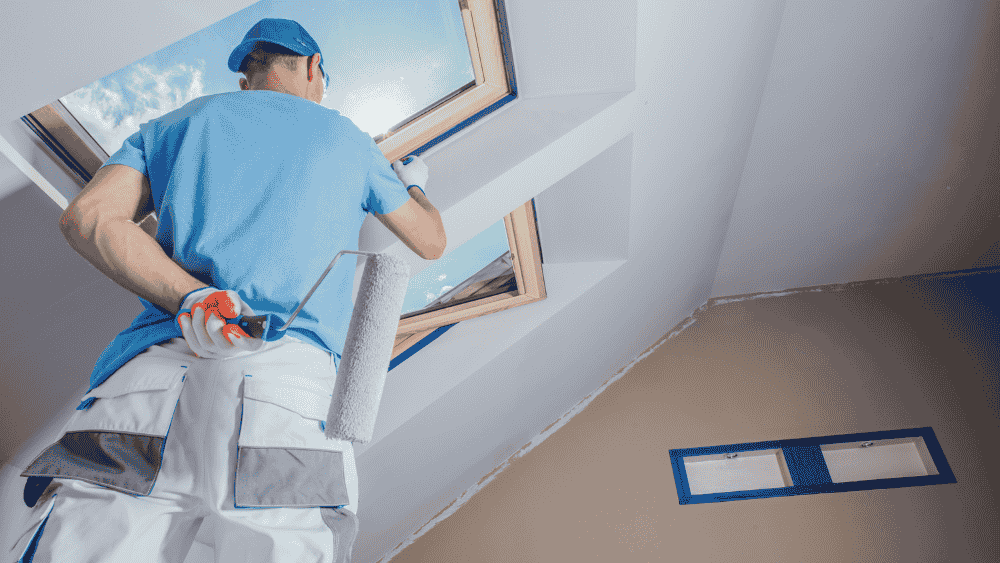
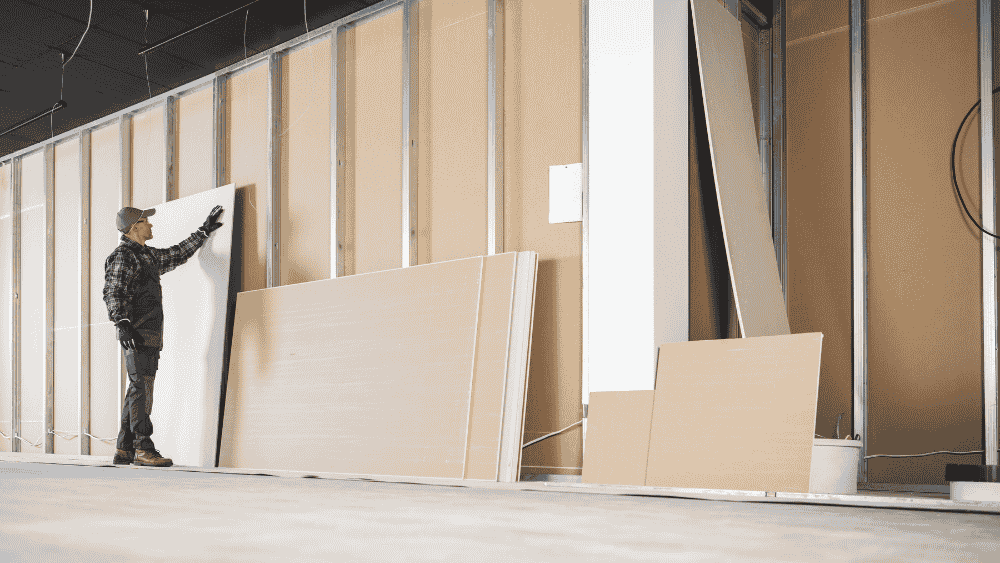
- Framing and drywall installation
- Electrical and lighting systems
- HVAC modifications
- Flooring and ceiling systems
- Office partitions and conference rooms
- Restrooms, break rooms, and storage areas
The goal is to turn a basic commercial space into a fully functional workplace. The design and layout can also be tailored to the tenant’s workflow and branding.
Tenant Improvements for Commercial Property Owners
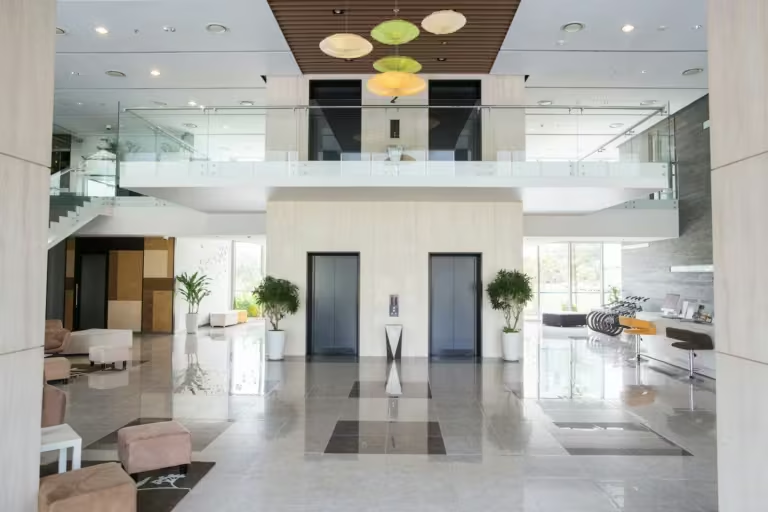
Property owners and landlords can also benefit from tenant improvements commercial property projects. Updated spaces can attract better tenants, reduce vacancy periods, and improve property value.
Modern businesses often look for flexible layouts and updated amenities. A well-maintained commercial property can make it easier to attract and retain tenants.
For multi-tenant buildings, the right improvements can also support longer leases and better occupancy rates.
Planning a Successful Commercial Tenant Improvement Project
Every successful tenant improvement project starts with proper planning. The process should consider the tenant’s needs, business operations, budget, and timeline.
Important planning considerations include:
- Space usage and workflow
- Building codes and accessibility requirements
- Material and labor costs
- Future expansion needs
- Project timelines
- Operational requirements during construction
Careful planning can reduce delays and prevent expensive changes later in the project. It also helps ensure the finished space meets both business and regulatory requirements.
The Role of a Tenant Improvements Contractor
Choosing the right tenant improvements contractor is important for a successful commercial project. Tenant improvement work often involves several trades, permits, inspections, and detailed scheduling.
An experienced contractor can help with:
- Coordinating different trades
- Managing permits and inspections
- Controlling project costs
- Maintaining quality standards
- Meeting construction timelines
- Communicating with clients throughout the project
Professional project management can reduce risks and keep construction moving smoothly.
Businesses working on projects such as Tenant Improvement Construction in Round Rock can also benefit from contractors who understand local requirements and construction practices.
Adapting Workspaces for Modern Business Needs
Workplaces continue to change as businesses adopt new technologies and flexible work models. Modern commercial spaces need layouts that can adapt to changing teams and business needs.
Commercial tenant improvement can include:
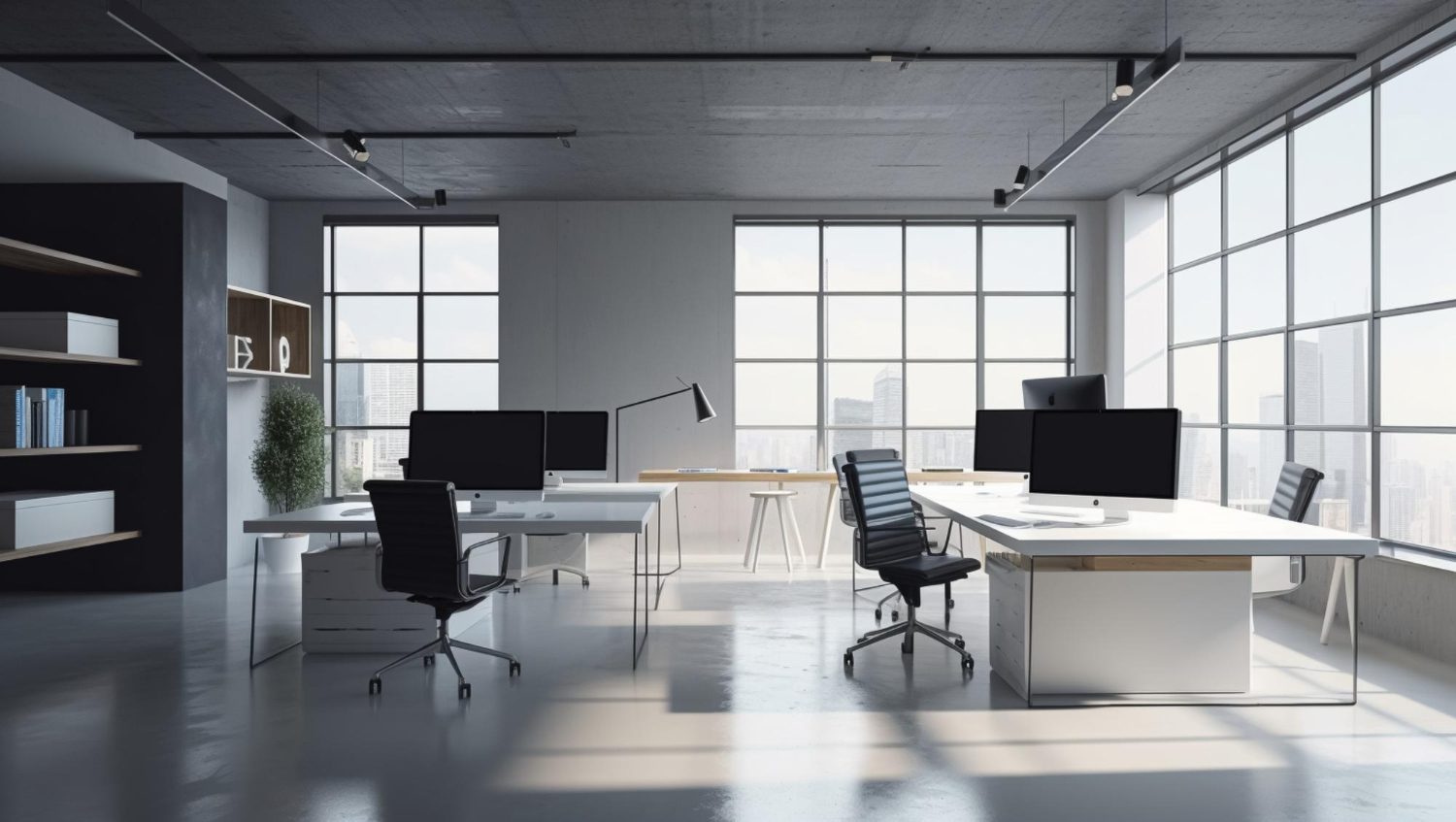
- Open office areas
- Collaborative work zones
- Private offices
- Meeting and conference rooms
- Hybrid workspaces
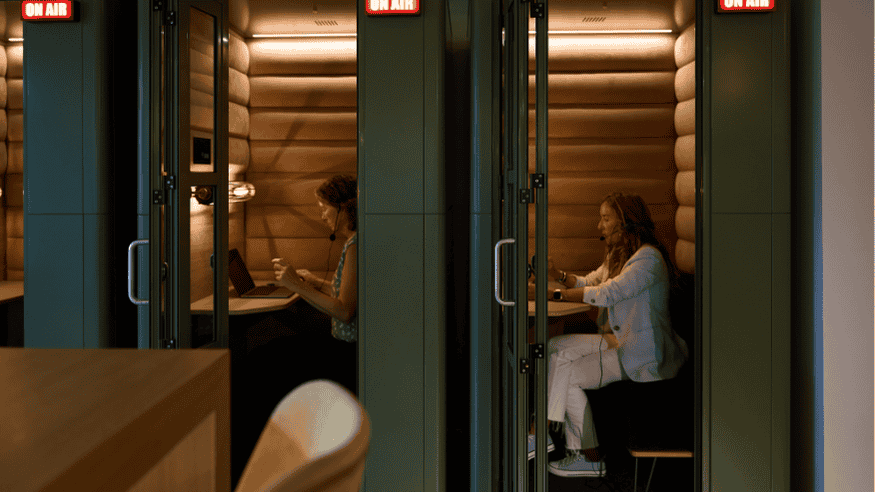
- Acoustic solutions for noise control
- Technology-ready infrastructure
These features can help businesses create flexible and comfortable work environments.
Compliance, Safety, and Accessibility
Commercial spaces must meet building codes, safety regulations, and accessibility requirements. Tenant improvement projects should address these requirements during the planning and construction process.
Important areas include:
- Fire safety and emergency exits
- ADA accessibility
- Electrical and structural safety
- HVAC and ventilation
- Occupancy requirements
Failure to meet these requirements can cause delays, fines, or problems with opening the space. Professional oversight helps ensure the project follows the required standards.
Cost Efficiency and Long-Term Value
Tenant improvement projects require an initial investment, but they can provide long-term value. A well-designed workspace can improve operational efficiency and reduce the need for frequent renovations.
Businesses can benefit from:
- Durable construction materials
- Efficient layouts
- Better use of available space
- Lower maintenance needs
- Flexible designs for future changes
Strategic improvements can help businesses avoid unnecessary construction costs in the future.
Tenant improvements are more than an expense. They can be an investment in productivity, employee experience, brand image, and long-term business growth.
Why Local Expertise Makes a Difference
Commercial construction projects can benefit from local knowledge. Contractors familiar with the area understand local building requirements, permitting processes, and market expectations.
Partnering with a trusted Construction Company in Round Rock can provide businesses with local knowledge and support throughout the project.
Local contractors can also help with communication, project coordination, permitting, and construction requirements. This can make the overall process more efficient.
Transforming Empty Spaces into Opportunity
An empty commercial space is more than unused square footage. It can become an opportunity for business growth with the right improvements.
Commercial tenant improvement can transform a blank interior into a productive, welcoming, and efficient workplace. The process can include everything from initial planning and tenant build out to final finishes and compliance checks.
A well-planned space should support the way a business operates today while allowing room for future changes.
Final Thoughts
Commercial tenant improvement can help businesses and property owners get more value from their commercial spaces. It brings together functionality, design, safety, compliance, and long-term planning.
Whether you are opening a new location, expanding your business, or upgrading an existing workspace, the right tenant improvements can create a space that supports your goals.