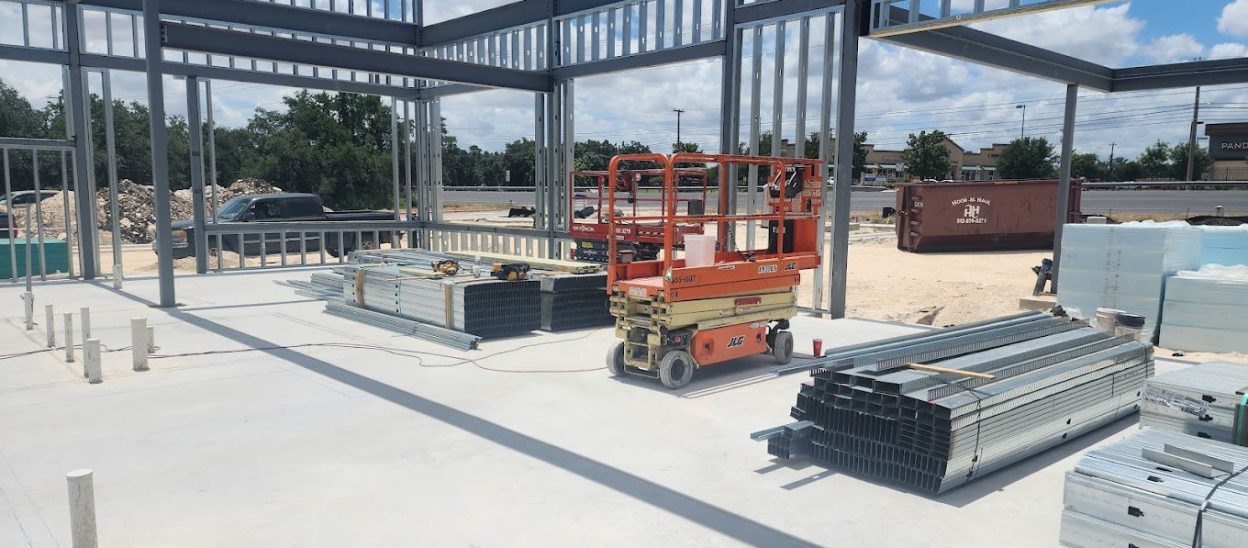
Before the first wall goes up or the first coat of paint is applied, most construction projects in Round Rock need to clear one essential step: permitting. Skipping or mishandling this process can lead to fines, forced work stoppages, or even having to undo completed work — all of which cost far more time and money than doing it right from the start.
Understanding how the construction permit process works helps you plan realistically, avoid delays, and make sure your project is fully code compliant from day one. Here’s a step-by-step breakdown of what to expect.
Why Permits Matter for Your Construction Project
Building permits exist to ensure that construction work meets safety, structural, and zoning standards set by the city. They protect homeowners and business owners from unsafe work, and they protect the surrounding community from projects that don’t meet code. Skipping permits — even for projects that seem minor — can create serious problems down the line, including difficulty selling a property or complications with insurance claims.
Step 1: Determine Whether Your Project Requires a Permit
Not every project needs a permit, but many more do than most people expect. In Round Rock, projects that typically require permits include:
- New construction or additions
- Structural changes, including removing or adding walls
- Electrical, plumbing, and mechanical work
- Roofing replacements
- Fencing over a certain height
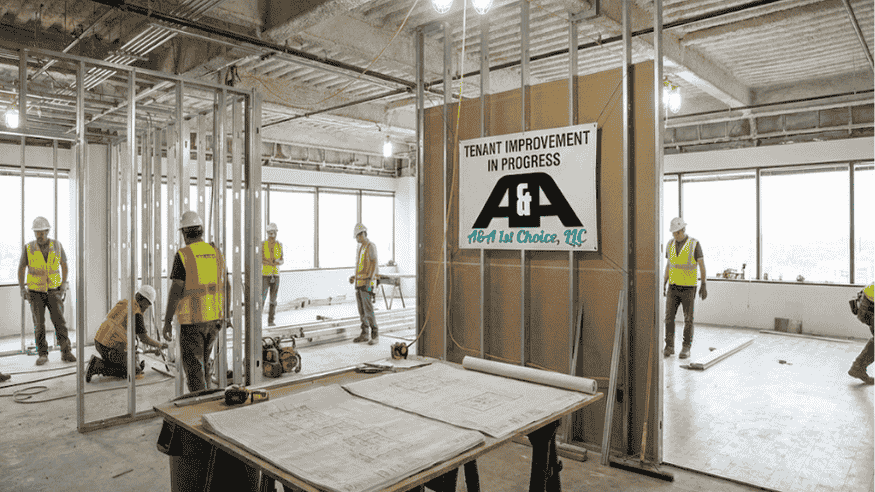
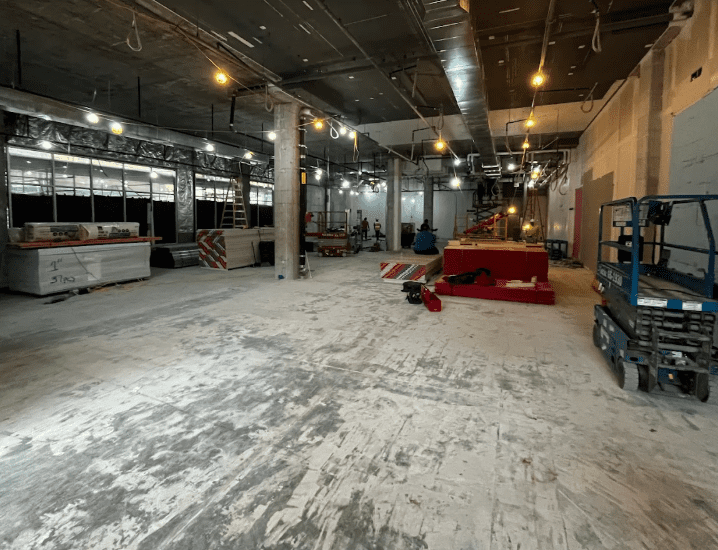
- Commercial tenant improvements and build-outs
Smaller cosmetic projects, like interior painting or replacing flooring, usually don’t require a permit — but it’s always worth confirming before work begins, especially for projects that touch structural or mechanical systems.
Step 2: Prepare Your Project Documentation
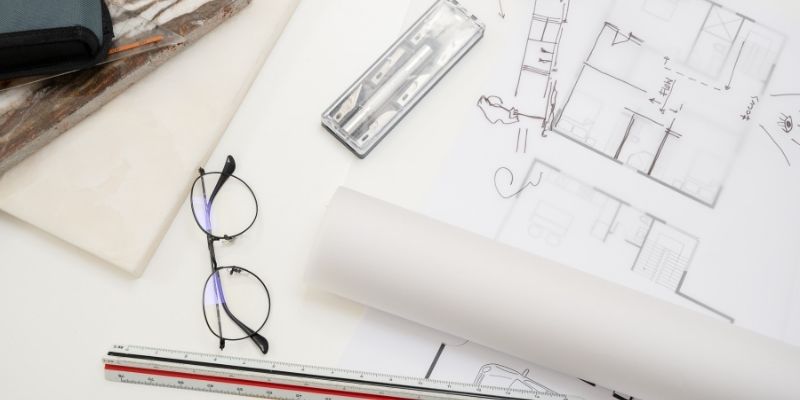
Before submitting a permit application, you’ll need documentation that clearly outlines the scope of work. This typically includes site plans, construction drawings, and structural or engineering details depending on the size and complexity of the project. For larger commercial projects, this stage often overlaps with pre-construction services, where planning, budgeting, and design details are finalized before permitting begins.
Step 3: Submit Your Permit Application
Once your documentation is ready, the application is submitted to the City of Round Rock’s permitting department. Applications typically require:
- Property information and legal description
- Detailed project scope and plans
- Contractor licensing information
- Estimated project cost
Working with a contractor who regularly handles permitting in the area, like a team familiar with general contracting in Round Rock, helps avoid common submission errors that can slow down approval.
Step 4: Plan Review
After submission, the city reviews your plans to confirm they meet local building codes, zoning requirements, and safety standards. Depending on the size and complexity of the project, this review process can take anywhere from a few days to several weeks. Larger commercial projects or those requiring structural or engineering review generally take longer than smaller residential permits.
Step 5: Address Any Requested Revisions
It’s common for the city to come back with requested changes or clarifications before granting approval. This might involve adjusting plans to meet setback requirements, revising structural details, or providing additional documentation. Having an experienced contractor manage this back-and-forth keeps the process moving efficiently instead of stalling out in review.
Step 6: Permit Approval and Issuance
Once your plans meet all requirements, the city issues your permit, and construction work can officially begin. It’s important to keep your permit documentation on-site throughout the project, since inspectors will reference it during scheduled visits.
Step 7: Scheduled Inspections During Construction
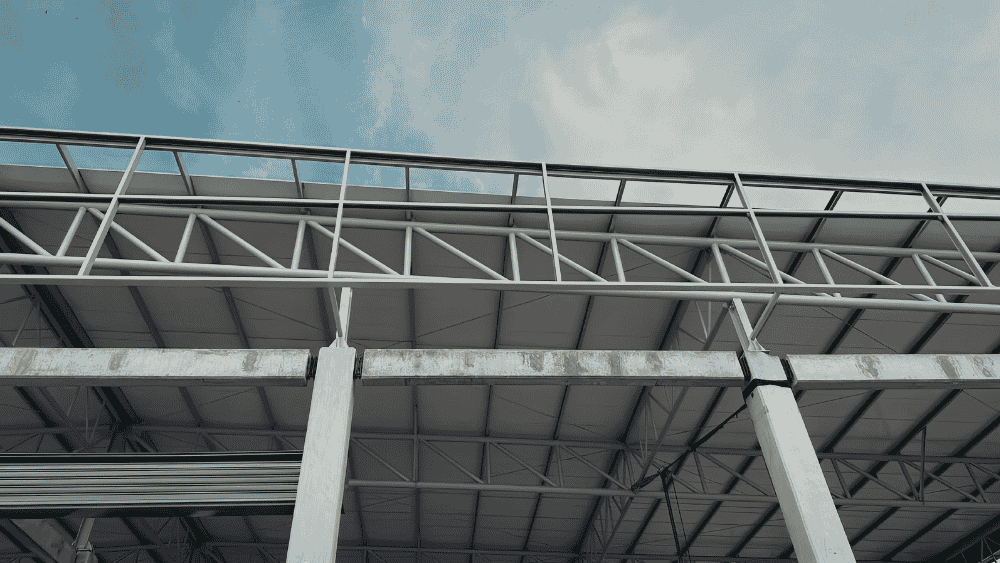
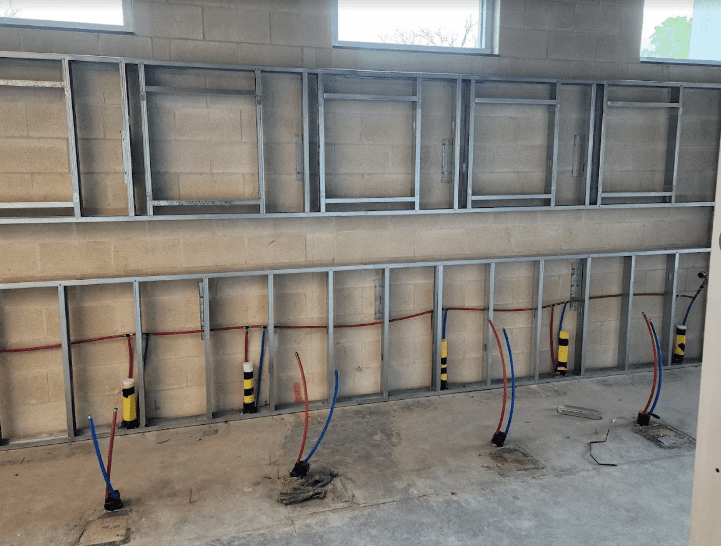
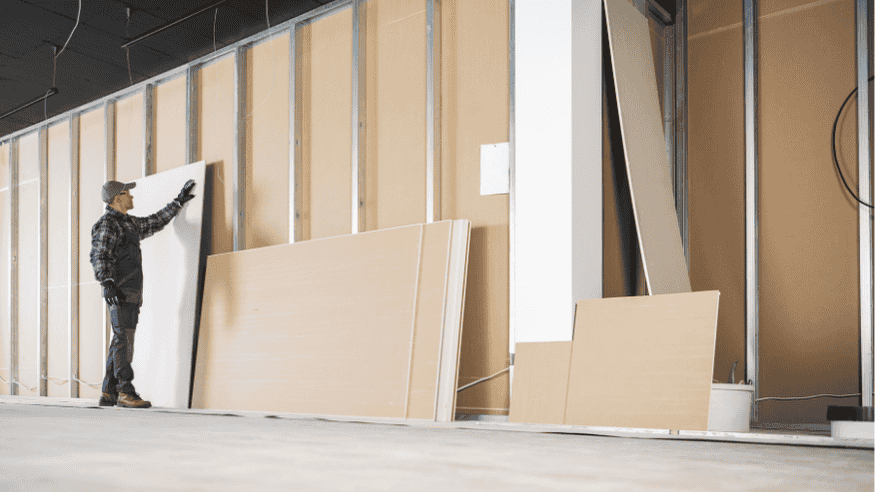
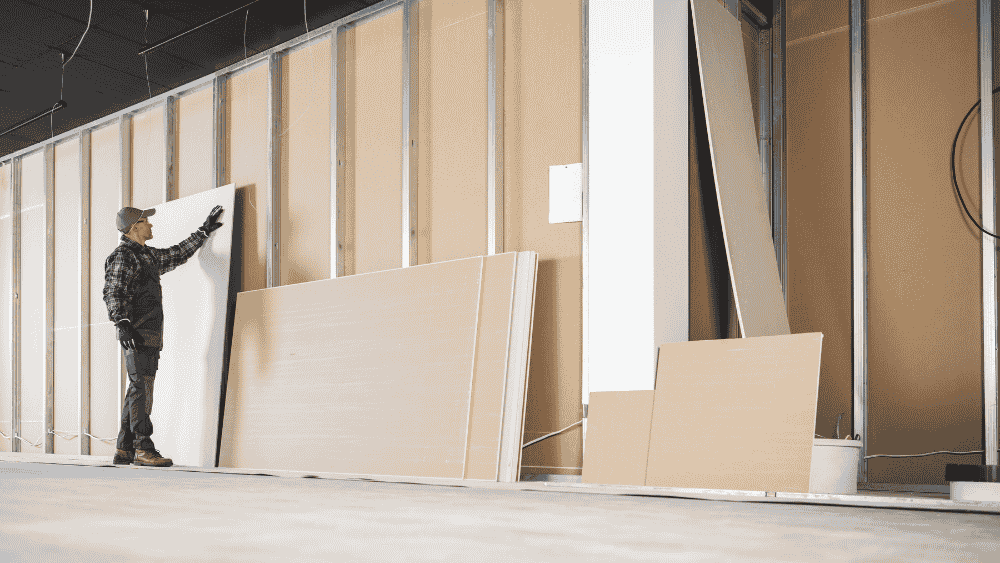
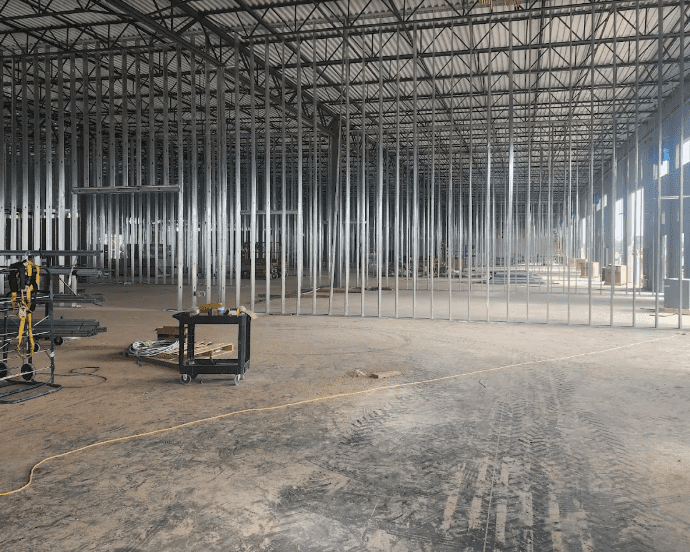
Most projects require inspections at specific milestones — for example, after framing is complete but before drywall goes up, or after electrical and plumbing rough-in work. These inspections confirm that the work matches approved plans and meets code before the project moves to the next phase. Skipping or failing an inspection can halt work until the issue is corrected, which is why experienced contractors plan inspection scheduling into the overall project timeline.
Step 8: Final Inspection and Certificate of Occupancy
Once all work is complete, a final inspection confirms the project meets all code requirements. For many commercial projects and new residential construction, this step results in a Certificate of Occupancy, which officially allows the space to be used or occupied.
How Long Does the Permit Process Typically Take?
Timelines vary significantly based on project size and complexity. A straightforward residential permit might be approved within a couple of weeks, while larger commercial projects — particularly those requiring structural review or multiple department approvals — can take several weeks to a few months. Building extra time for permitting into your overall project timeline helps set realistic expectations from the start.
Common Permitting Mistakes to Avoid
- Starting work before permits are approved. This can result in fines and forced work stoppages, even if the work itself meets code.
- Incomplete or inaccurate applications. Missing documentation is one of the most common reasons for delays in the review process.
- Assuming small projects don’t need permits. Many homeowners are surprised to learn that seemingly minor structural or mechanical changes still require approval.
- Not accounting for permit timelines in project planning. Underestimating how long approval takes is one of the most common causes of pushed-back start dates.
How a Local Contractor Simplifies the Permit Process
Navigating the permitting process on your own can be time-consuming, especially if you’re unfamiliar with local requirements. An experienced local contractor manages the documentation, submission, and inspection scheduling on your behalf, reducing the chances of delays and making sure your project stays fully compliant from start to finish.
Get Expert Guidance for Your Round Rock Construction Project
At A & A 1st Choice, LLC, we handle the permitting process as part of every residential and commercial project we take on, so you don’t have to navigate city requirements on your own. From initial planning through final inspection, our team makes sure your project stays compliant and on schedule.
Ready to start your next project in Round Rock, Austin, or Georgetown? Contact our team today to get started with a contractor who handles the permitting process from start to finish.