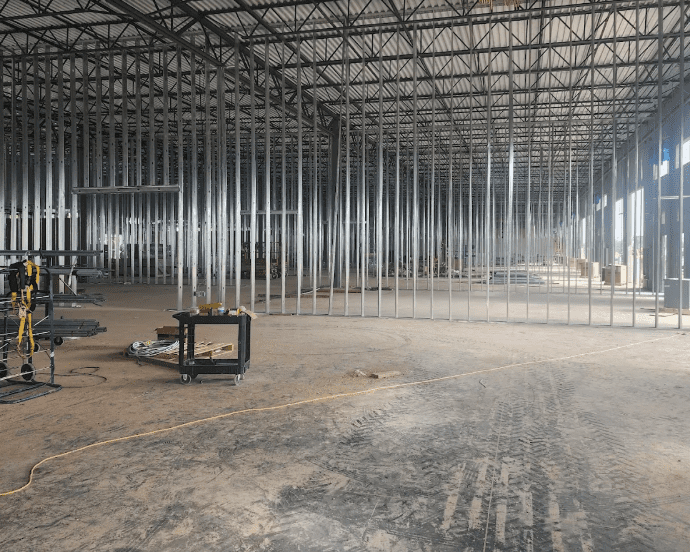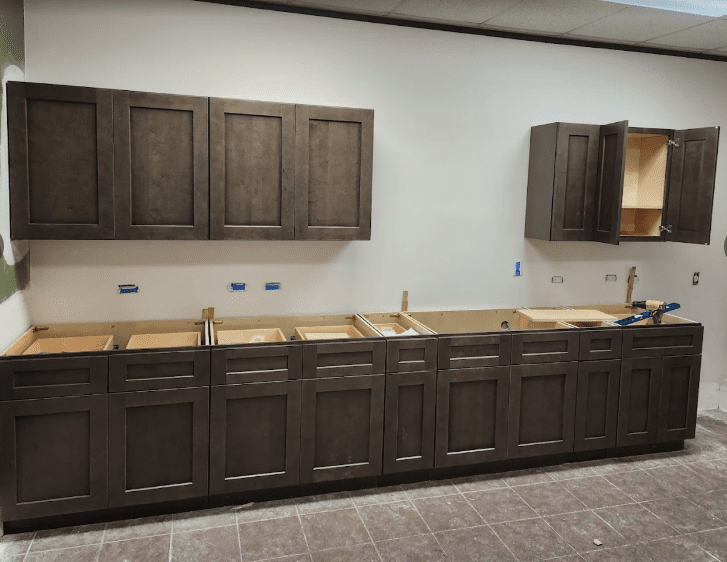

Every day a unit sits vacant is lost rent. A well-run turn gets a unit from move-out to leasing-ready quickly, at a predictable cost, with finishes that hold up for the next resident. A poorly run one drags on because trades arrive out of order, materials are not on hand, or hidden damage surfaces late.
This apartment unit turn checklist covers what to do before, during and after the work, and what to hand your contractor so the unit comes back on schedule.
Turn vs renovation: know which one you need
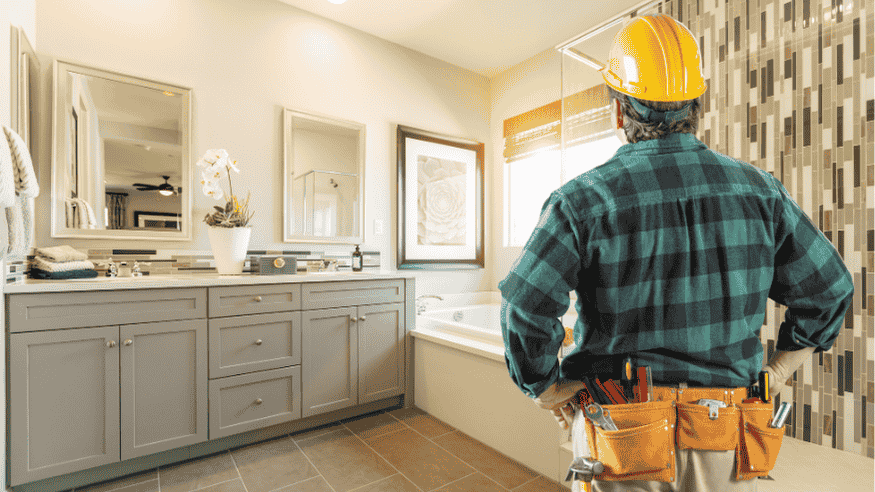
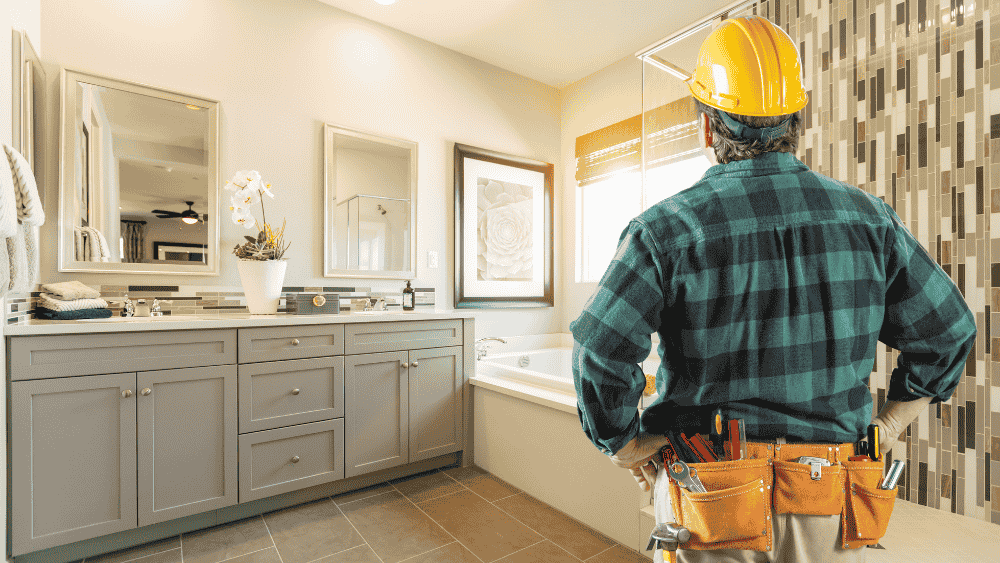
A turn restores a unit to rentable condition between residents: cleaning, paint, repairs, flooring and fixture replacement. A renovation upgrades the unit with new kitchens, bathrooms, layouts or finishes. Many properties run both, with a standard turn scope for most units and a heavier upgrade scope when a unit is repositioned. For design ideas on the upgrade side, see our post on apartment renovation ideas that improve tenant satisfaction. This guide focuses on the turn itself.
Before the unit is vacant
- Send a pre-move-out inspection notice where your lease allows.
- Photograph the unit after move-out and record the condition of floors, walls, cabinets, appliances and fixtures.
- Decide the scope level (light, standard or heavy turn) based on that inspection.
- Order long-lead items such as flooring, cabinet fronts and appliances immediately.
The turn checklist, in sequence
Order matters. Doing messy work first and finish work last prevents rework.
- Walkthrough and scope sign-off. Record every item, with photos.
- Demolition and trash-out. Remove damaged flooring, fixtures and debris.
- Hidden-damage check. Look for moisture stains, soft subfloor, mold and failed caulk under sinks and around tubs. Water damage rarely stays in one unit, so flag likely causes to maintenance.
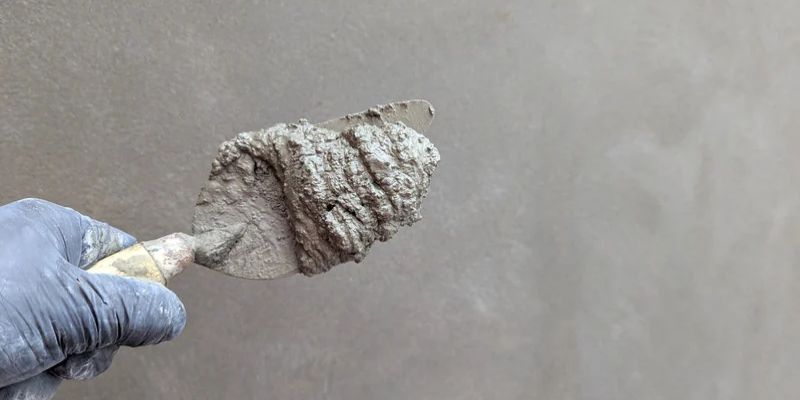
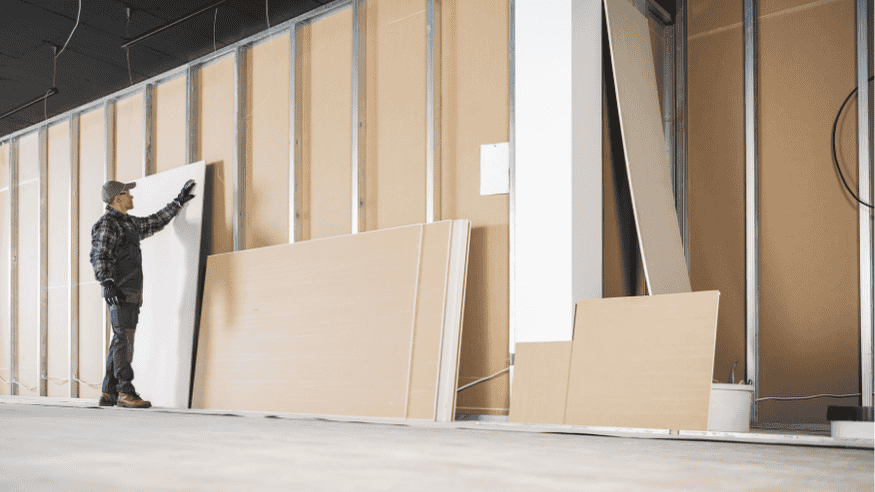
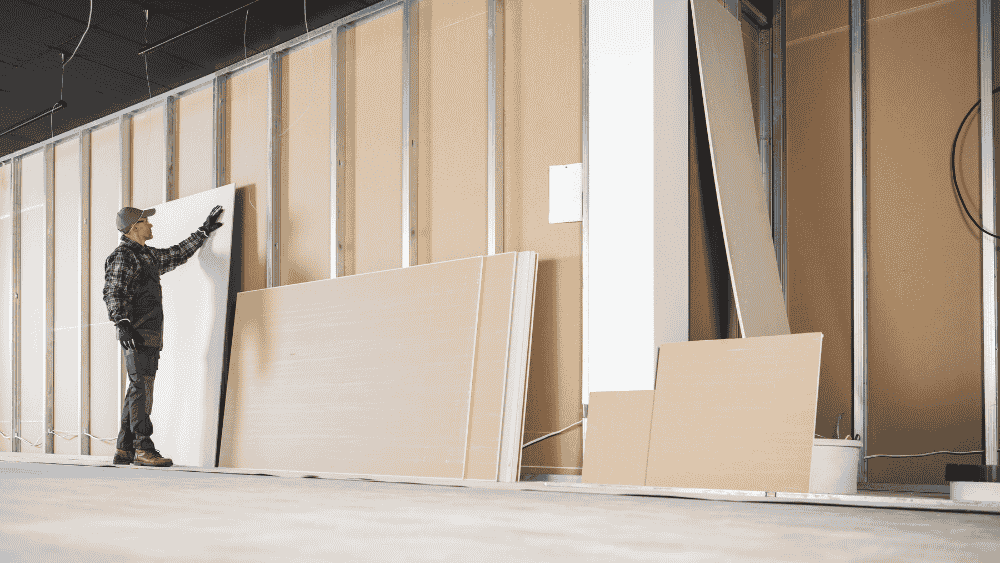
- Drywall repair. Patch holes and damage and texture to match. Our drywall repair services include finishing that holds up under paint.
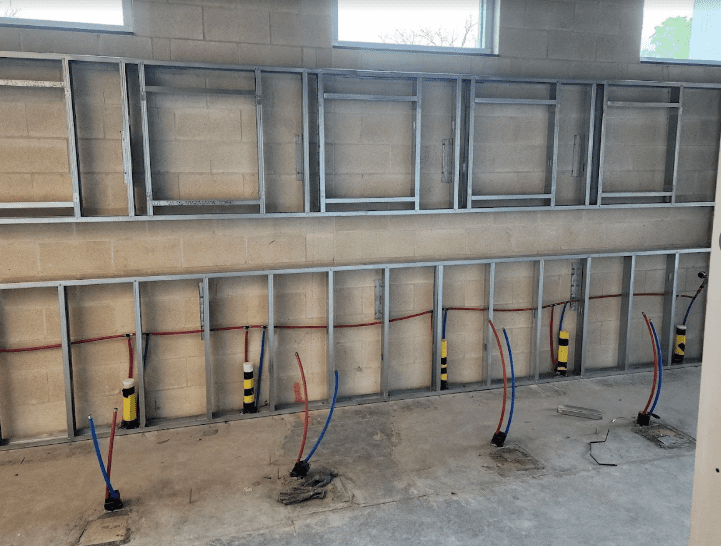
- Plumbing and electrical repairs. Fixtures, outlets, switches and any items that need licensed trades.
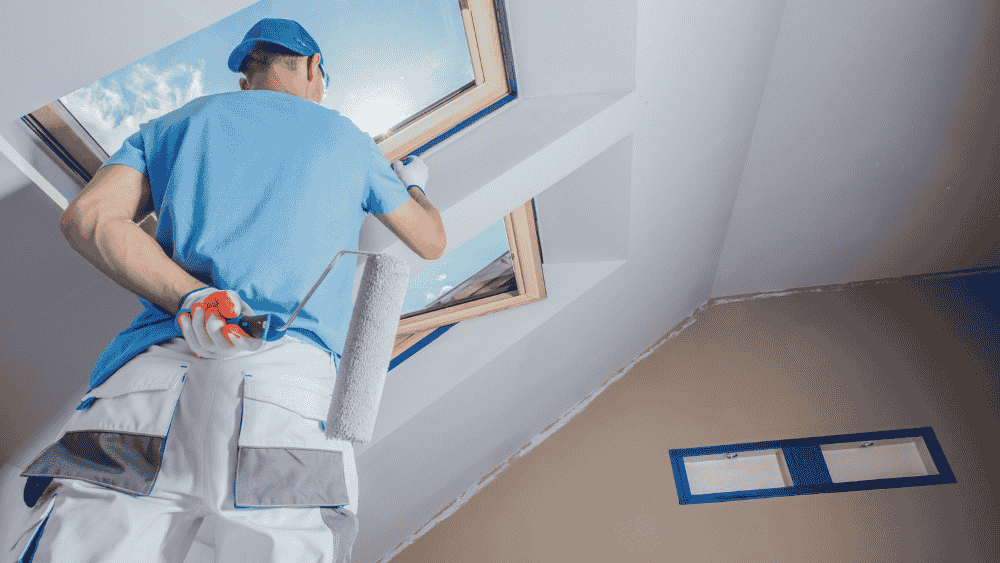
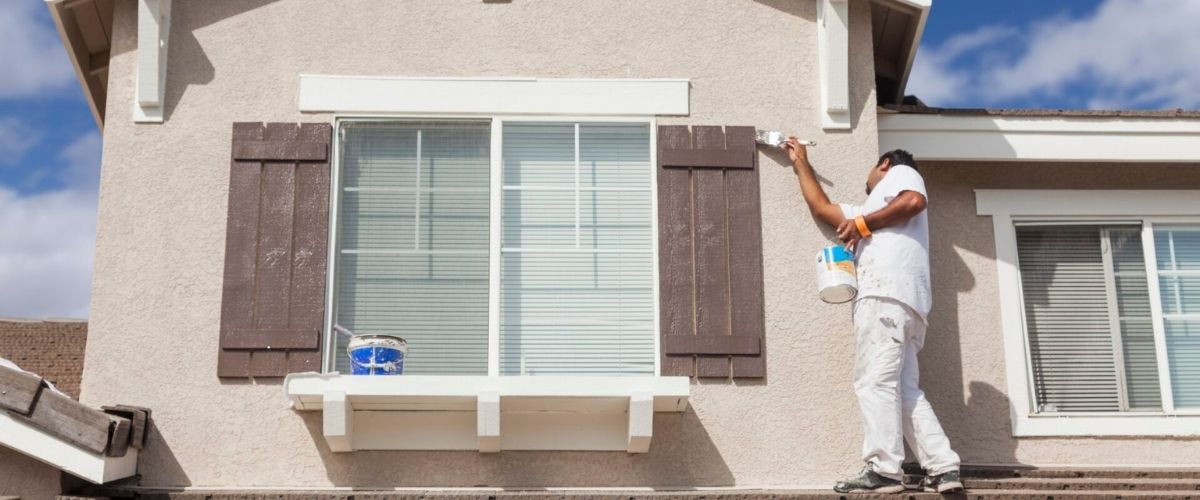
- Painting. Walls, ceilings, trim and doors, using durable, washable finishes. See our commercial interior painting team for larger programs.
- Flooring and cabinet or counter repairs.
- Fixtures, hardware, blinds and lighting.
- Appliance check and replacement.
- Deep clean and final walk. Check every item against the scope, and test all outlets, faucets, locks and smoke alarms.
Austin factors to plan for
- Older buildings. Properties built before 1978 can contain lead-based paint, and heavier demolition may call for an asbestos survey. Raise this before you set a schedule or budget.
- Heat and humidity. Flooring and paint choices should tolerate Central Texas conditions.
- Permits. Basic cosmetic turns often do not need permits, but plumbing, electrical or structural changes may. Confirm with the city that has jurisdiction.
Standardize to lower cost and time
Properties that turn units quickly share three habits:
- A fixed finish package. Same paint colors, flooring, fixtures and hardware across units, so materials can be stocked and crews know the scope.
- A defined scope tier. Light, standard and heavy turns with set items, so each unit is priced the same way.
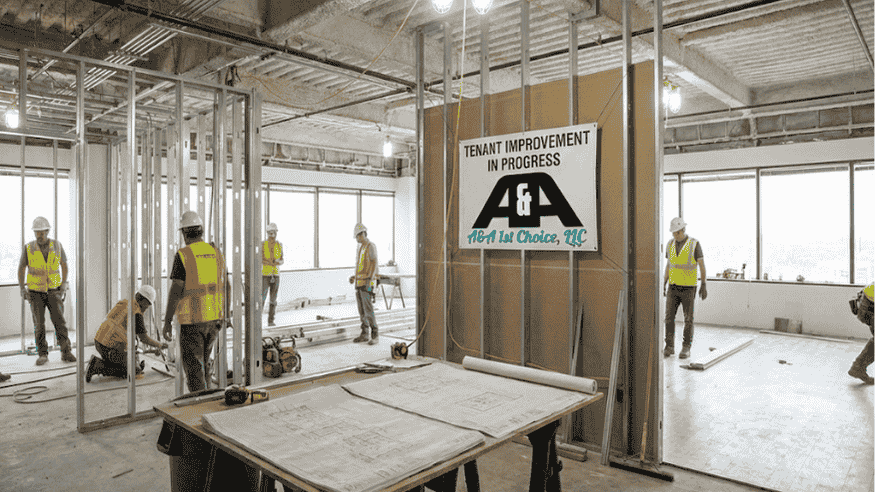
- One contractor coordinating trades. Using separate painters, drywall crews and flooring installers means you coordinate the handoffs. A single multi-family remodeling contractor manages the sequence for you.
What to give your contractor
- Unit number, size and photos from the move-out inspection
- The scope tier and finish package
- Target ready-to-lease date
- Access details, key handling and work hours
- Who approves change orders, and how quickly
Our guide to preparing for a commercial drywall repair project has a similar prep list that applies to occupied properties.
Track these numbers
- Days from move-out to ready-to-lease
- Cost per unit by scope tier
- Rework items found at final walk
- Share of turns with hidden damage
If one measure keeps slipping, the cause is usually in the handoffs, not the work itself.
FAQ
How long should an apartment unit turn take?
It depends on the scope tier and material availability. A light cosmetic turn is fast; a heavy turn with flooring and cabinet work takes longer. We set a schedule in the written proposal.
What is included in a standard unit turn?
Typically cleaning, paint, minor drywall repair, fixture and hardware replacement, and a final inspection. Flooring and appliance replacement depend on condition.
Should I use one contractor for all turns?
For multiple units, yes. A single team that repeats the same scope delivers a more predictable price and schedule.
Get a turn program for your property
A & A 1st Choice, LLC handles unit turns and renovation programs for Austin apartment communities, duplexes and fourplexes. Call (512) 767-2935 or request a free walkthrough.