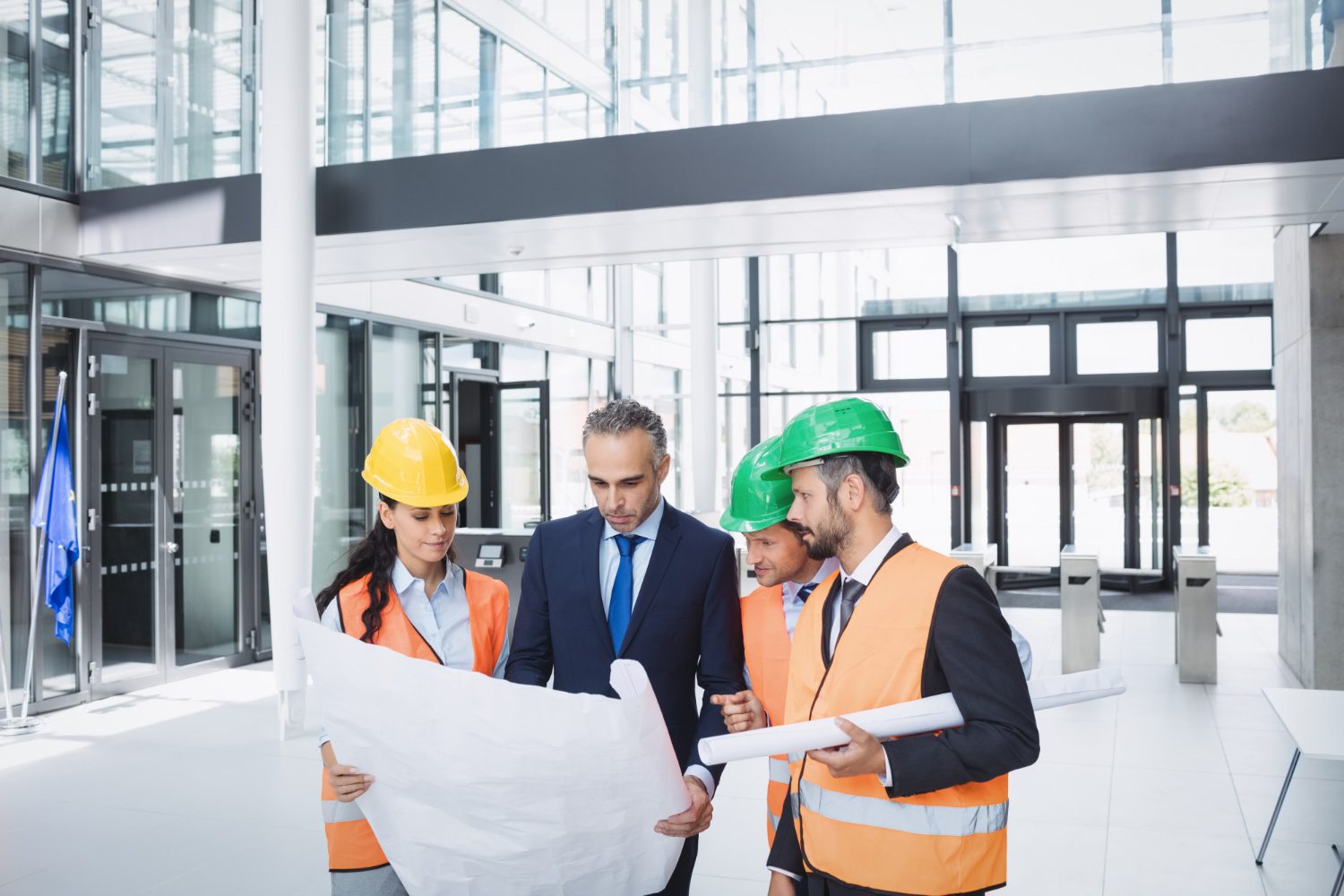
A traditional general contractor typically steps in after design and architectural plans are already finalized, focusing on construction execution, while a design-build firm handles both design and construction under one contract, managing the project from initial concept through completion. The right choice depends on how much control you want over the design process, your project timeline, and how you prefer to manage communication across your project.
Understanding the practical differences between these two approaches helps property owners choose the structure that best fits their specific project. This guide breaks down how each model actually works and the factors worth weighing before deciding.
How a Traditional General Contractor Approach Works
Design and Construction Are Separate
In this model, an architect or designer typically develops the plans first, often independently, before a general contractor is brought in to execute construction based on those finalized drawings.
You Manage Two Separate Relationships
Property owners working with a traditional GC model coordinate between their design professional and their contractor separately, which offers flexibility in choosing each independently but also requires more direct oversight from the owner to keep both sides aligned.
Bidding Often Happens After Design Is Complete
Because plans are typically finalized before construction begins, contractors often bid on a fully designed project, which can provide clearer cost expectations but leaves less room for cost-driven design adjustments once bidding starts.
How a Design-Build Approach Works
Design and Construction Are Integrated
A design-build firm manages both the design and construction phases under a single contract, allowing design decisions to be made with construction realities, costs, and timelines in mind from the very beginning.
One Point of Contact Throughout the Project
Rather than coordinating between separate design and construction teams, property owners work with a single point of contact for the entire project, which can simplify communication and reduce the potential for miscommunication between separate parties.
Design and Cost Considerations Develop Together
Because the same team handles both design and construction, budget realities can inform design decisions earlier in the process, often reducing the likelihood of a finished design that ends up over budget once construction bids come in.
Comparing the Two Approaches
Communication and Accountability
Design-build offers a single point of accountability for the entire project, while the traditional model involves coordinating between separate parties, which can work well for owners who want to independently select their architect and contractor but requires more active project management from the owner’s side.
Timeline Considerations
Design-build projects can sometimes move faster overall since design and construction phases can overlap in ways they typically can’t in the traditional sequential model, where construction generally waits until design is fully finalized.
Cost Predictability
Both approaches can provide cost predictability, but design-build’s integrated process often surfaces cost implications of design decisions earlier, potentially reducing the risk of a finalized design exceeding budget expectations once construction pricing is finalized.
Flexibility in Choosing Professionals
The traditional model allows property owners to independently select an architect and contractor based on individual reputation or fit, while design-build consolidates this choice into a single firm handling both roles.
When a Traditional General Contractor Model Makes Sense
You Already Have a Design Team
If you’ve already established a relationship with an architect or have specific design plans in progress, bringing in a general contractor to execute construction based on those existing plans is often the more natural fit.
You Want Independent Oversight at Each Stage
Some property owners prefer having separate design and construction professionals specifically because it creates an additional layer of independent review between the two stages of the project.
When a Design-Build Approach Makes Sense
You Want a Streamlined Process
For property owners who prefer a single point of contact and want design and construction to move forward as one coordinated process, design-build often reduces the overall complexity of managing a project.
Budget Alignment Matters From the Start
If staying within a specific budget is a top priority, design-build’s integrated approach tends to catch cost implications earlier, before a fully finalized design forces difficult tradeoffs.
Timeline Efficiency Is a Priority
Projects with a tighter timeline sometimes benefit from design-build’s ability to overlap design and early construction phases in ways the traditional sequential model doesn’t typically allow.
How Risk Is Managed Differently Between the Two Models
Risk allocation looks different depending on which approach you choose. In the traditional model, the owner often bears more responsibility for coordinating between design and construction, meaning any gaps or miscommunications between the two parties can become the owner’s problem to resolve. In design-build, a single firm typically holds more direct responsibility for the overall project outcome, which can simplify accountability if issues arise but also means less independent oversight between the design and construction stages.
The Role of Early Cost Estimating
One practical difference worth understanding is how early you get a realistic sense of total project cost. In design-build, cost estimating typically happens alongside design development, giving property owners a clearer, evolving picture of budget as decisions are made. In the traditional model, a more complete cost picture often doesn’t emerge until bidding begins after design is finalized, which can occasionally reveal a gap between design ambitions and actual construction costs later in the process than some owners would prefer.
Questions to Ask When Deciding
Before choosing an approach, it’s worth considering how involved you want to be in coordinating between design and construction professionals, whether you already have design plans or relationships in place, how firm your budget constraints are, and how much your timeline depends on overlapping design and construction phases. Answering these honestly tends to point fairly clearly toward one approach or the other.
Why Experience Matters Regardless of Approach
Whichever model you choose, the experience and track record of the firm or contractor you work with matters significantly. A well-run traditional GC relationship can work just as smoothly as a well-run design-build project, and conversely, either approach can run into problems without experienced oversight and clear communication throughout. According to the Design-Build Institute of America’s own research on project delivery methods, the delivery method itself is only part of what determines project success, team experience and communication practices play an equally significant role regardless of which model is chosen.
Getting Started With the Right Approach for Your Project
If you’re still weighing which approach fits your specific project, starting with a conversation about your goals, timeline, and how involved you want to be in the process usually clarifies which model makes more sense. Our team works with property owners across Austin on both commercial construction and ground-up construction projects, and can walk you through which approach fits your specific goals and timeline.
FAQ
Is design-build more expensive than hiring a separate architect and contractor?
Not necessarily. Design-build’s integrated process often catches cost issues earlier, which can help avoid expensive redesigns that sometimes happen in the traditional model once bids come in over budget.
Can I still choose my own architect with a design-build firm?
Typically, design-build firms handle design in-house or through established partners, so this model works best for owners comfortable with the firm managing both design and construction together.
Which approach is faster, design-build or traditional GC?
Design-build often moves faster since design and construction phases can overlap, while the traditional model generally waits until design is fully finalized before construction begins.
Is one approach better for commercial projects specifically?
Both approaches work for commercial projects. The better fit depends more on your specific priorities around timeline, budget control, and how involved you want to be in coordinating the project.
Do I need to decide between these approaches before starting my project?
Yes, this decision typically needs to happen early, since it shapes how design and construction phases are structured and coordinated throughout the entire project.